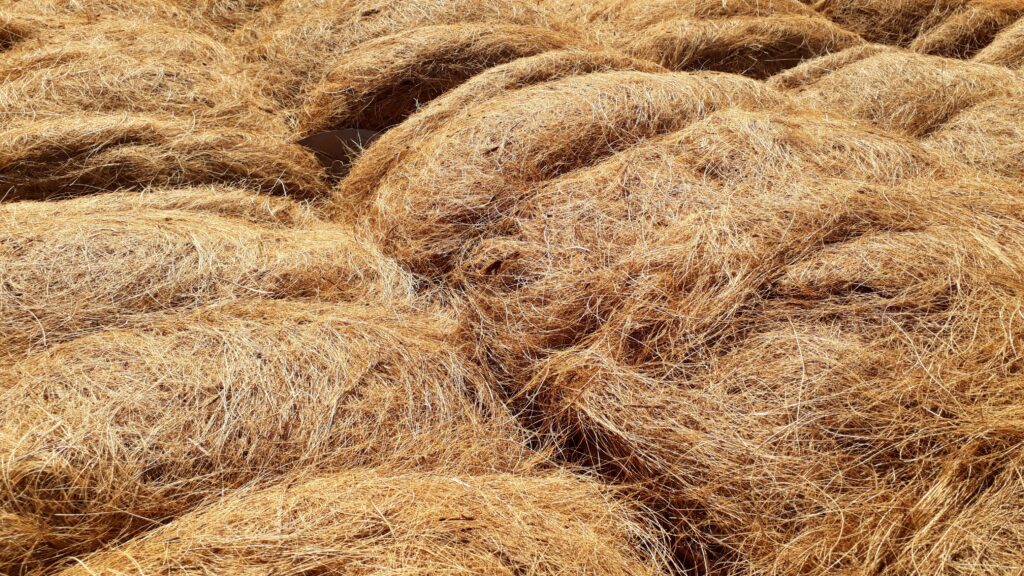
Coir fiber from the mature dry coconut husk.
Mechanically separated from the pith. About 28–30% of husk mass. Pressed bales, weight and volume on request. Lot analysis report with every shipment.
What coir fiber is
Coir fiber is the structural fraction of the mature dry coconut husk, separated from the pith on a rotary screen with a ~4.13 mm mesh. It is long bristle fiber, strong and flexible, with the lowest water holding and the highest aeration in the line. It accounts for roughly 28–30% of the husk mass. Suited to high-drainage substrates and as an industrial raw material.
Supplied natural (unwashed, no additives). Washing available on request for applications with an EC limit. The version is defined by the customer.
Please note: raw fiber, not combed. Raw material for industrial processes that include their own carding, needle-punching or moulding. Not intended for broom, brush or handicraft manufacture.
As a substrate
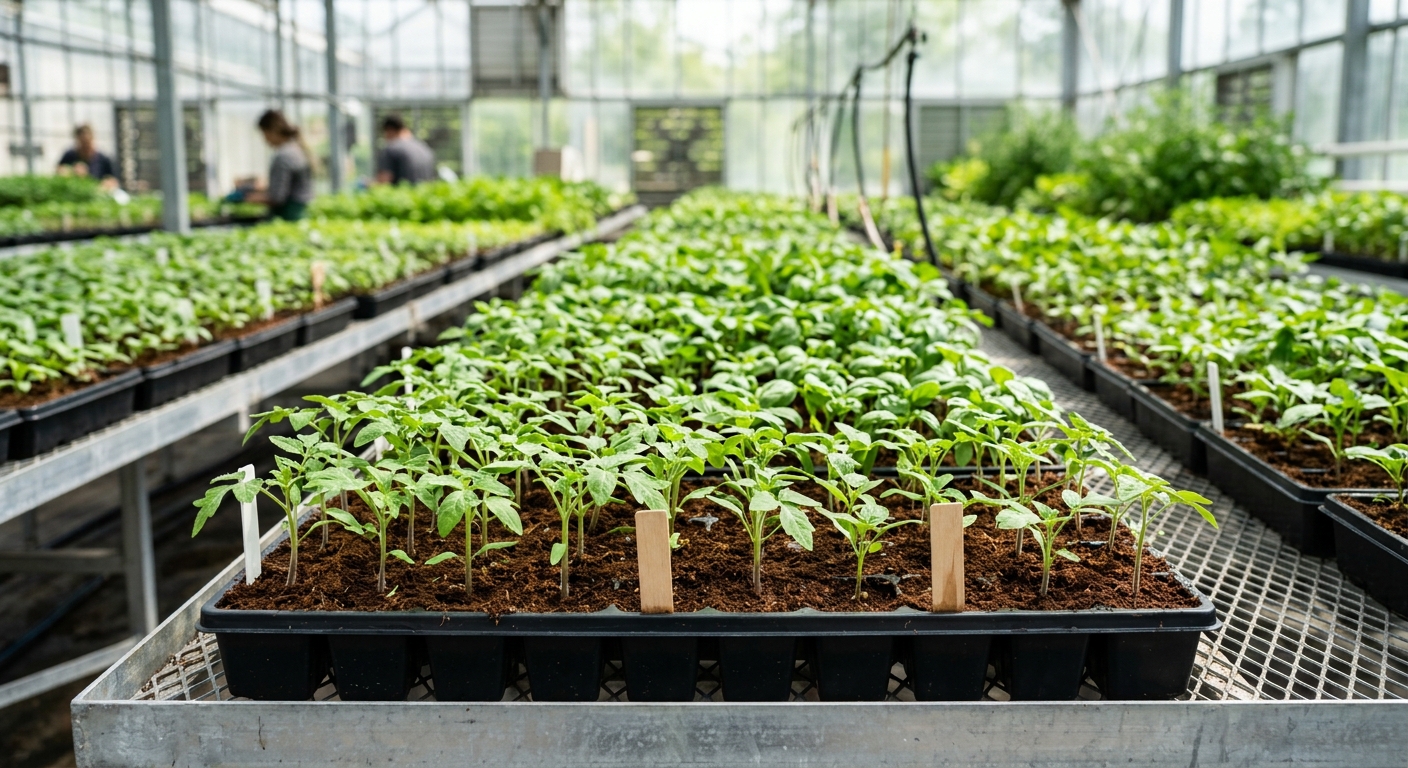
Ornamentals and nurseries
Structural substrate for potted ornamentals, seedlings and nurseries. The main horticultural segment for coir fiber in Brazil.
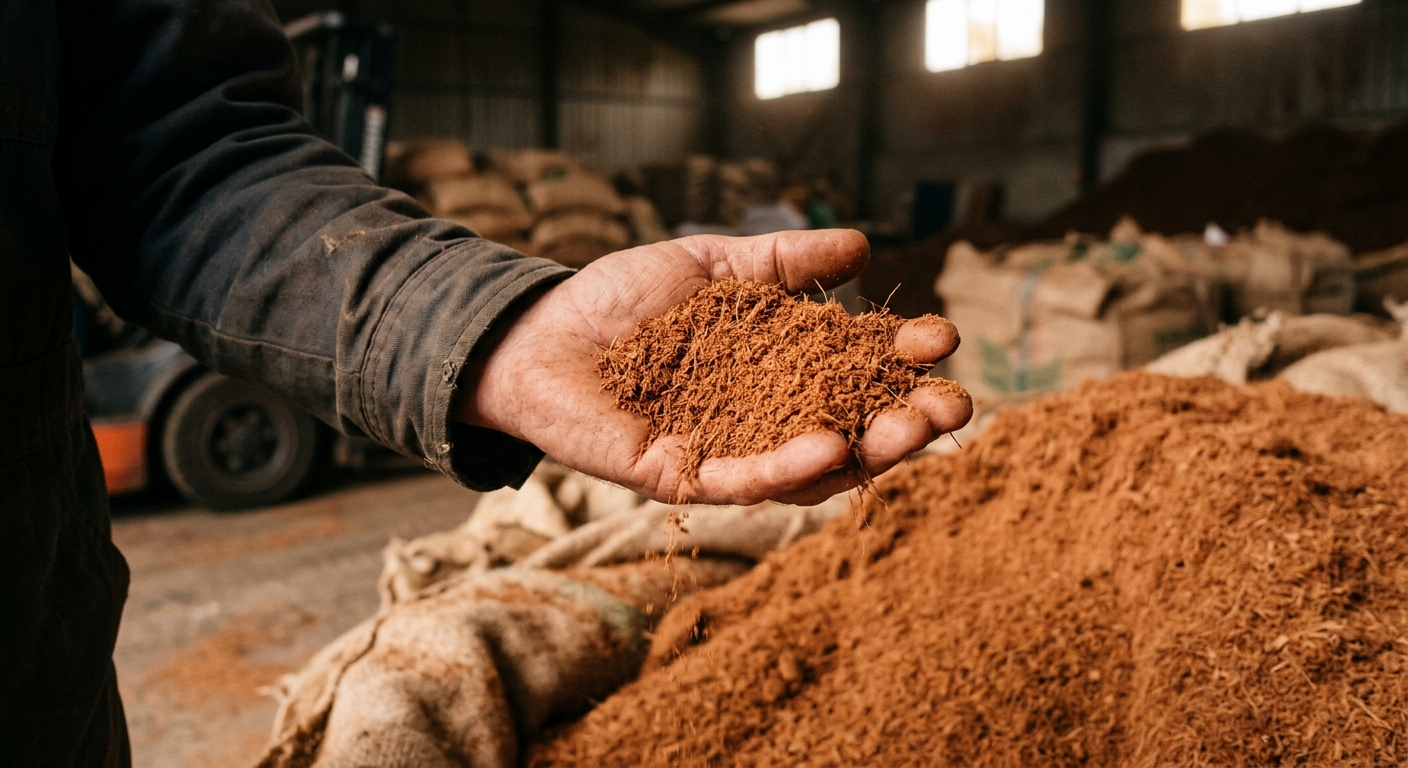
Structural substrates
Aeration component in substrate formulations. Raw material for substrate manufacturers.
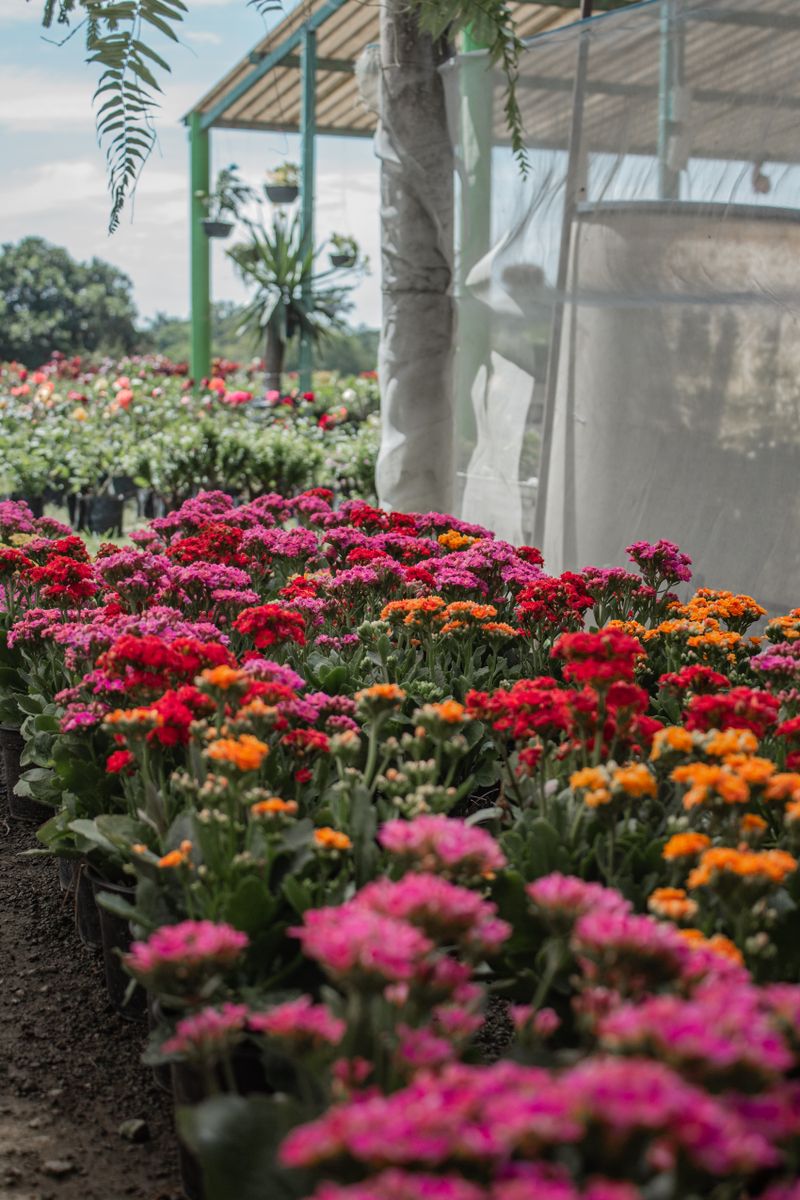
Landscaping and mulch
Loose fiber for covering beds and large containers, retaining moisture and protecting the soil.
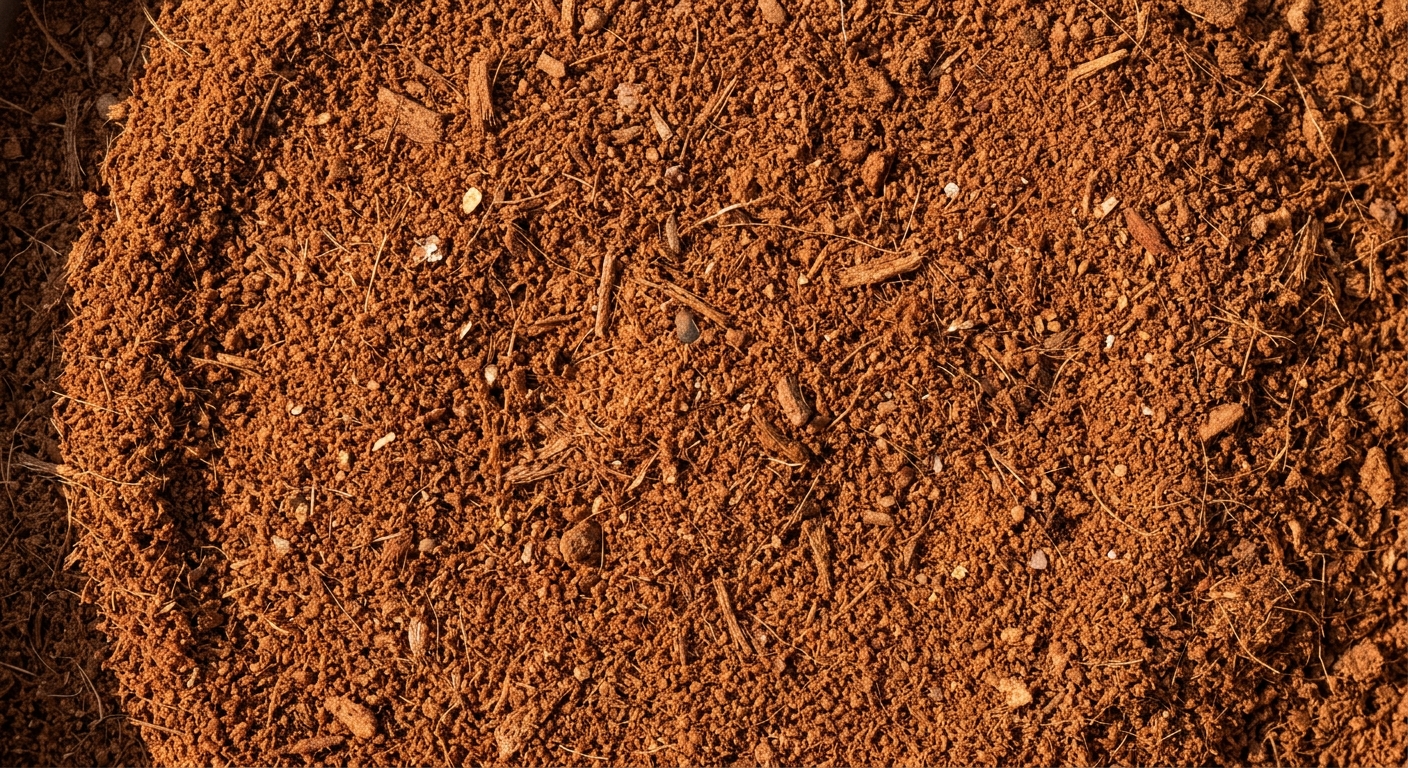
Substrate manufacturers
Screened, uniform fiber for in-house substrate blends, in volume and specification under contract.
Industrial raw material
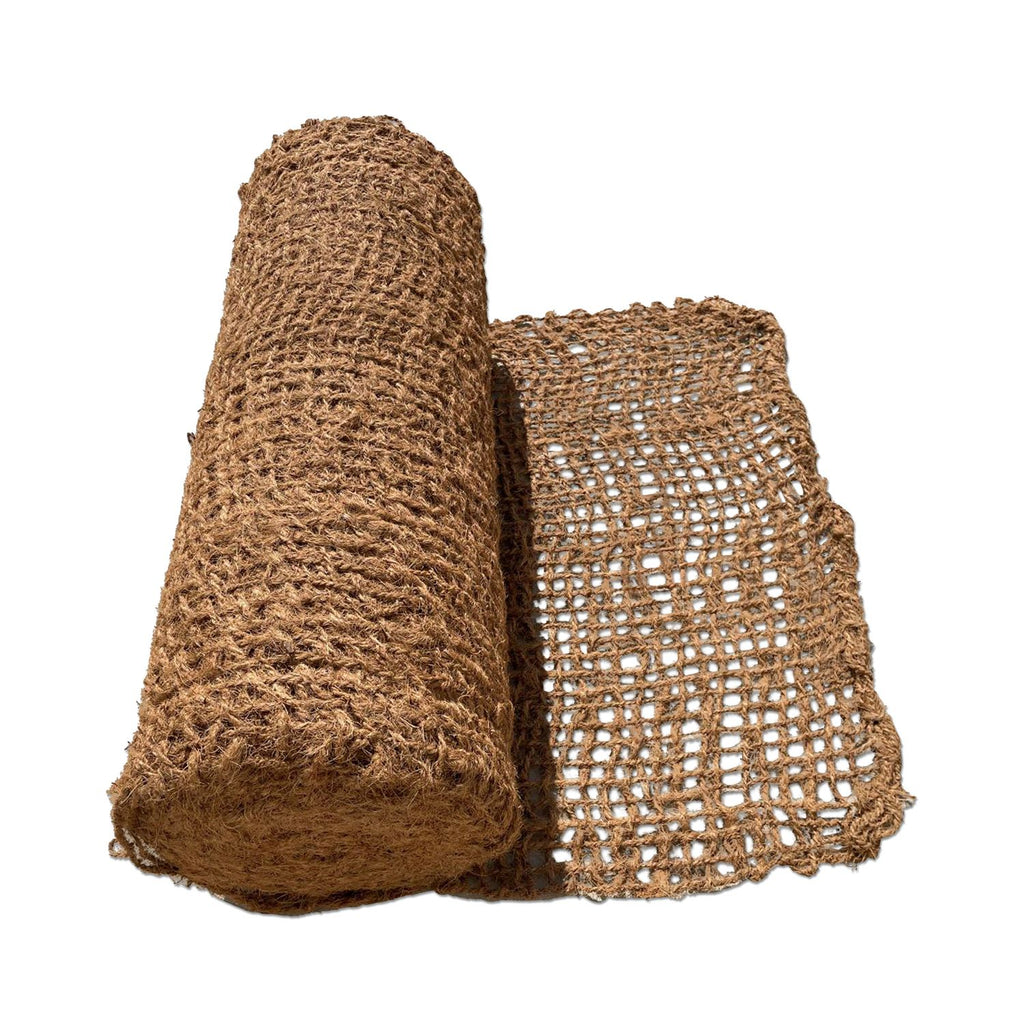
Geotextiles and erosion-control blankets
Raw material for needle-punched and latex-bonded blankets. Erosion control, slopes, revegetation.
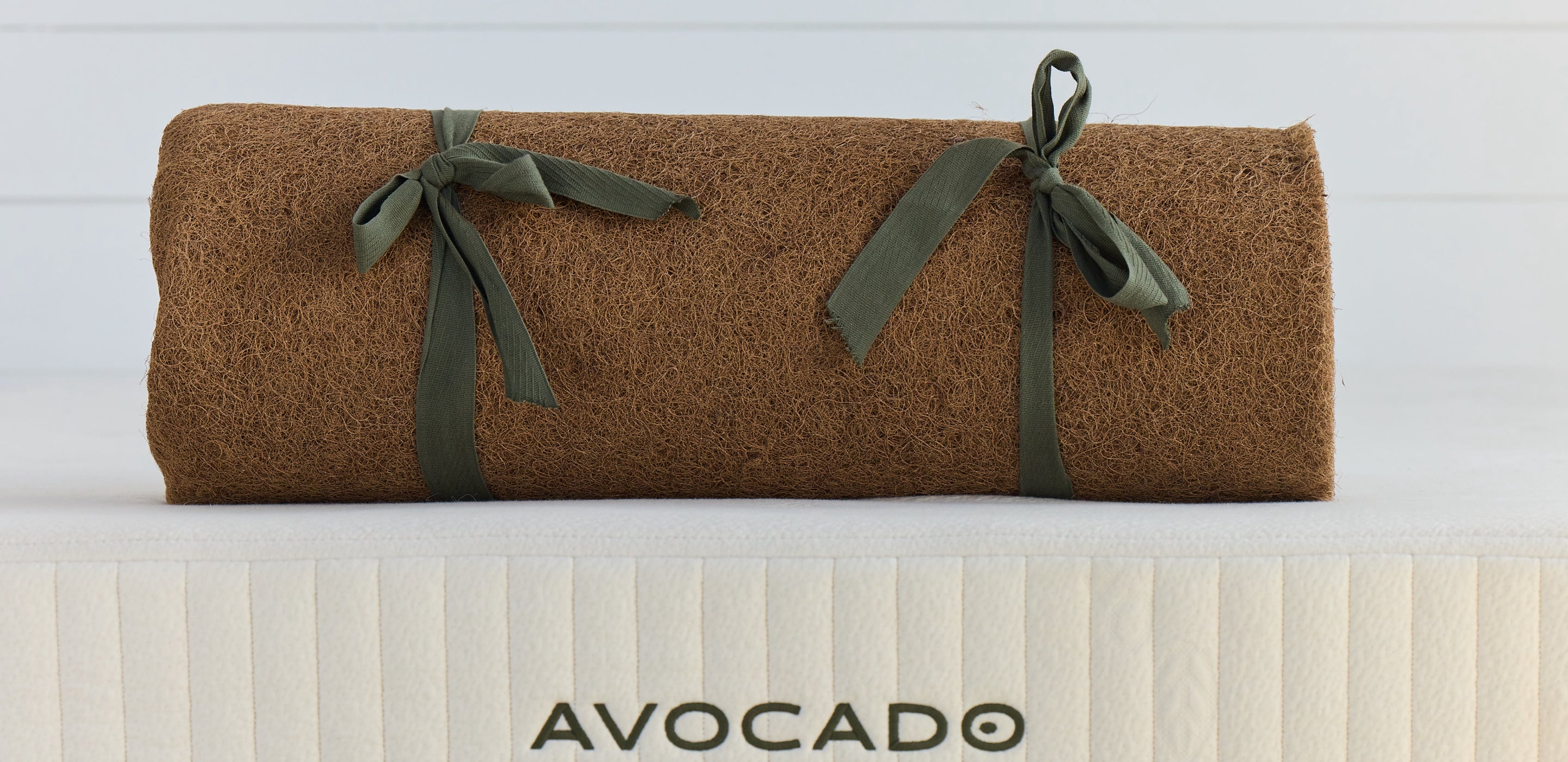
Mattress pads
Long bristle fiber for rubberised coir pads and mattress cores.
Automotive composites
Natural fiber reinforcement for moulded panels and composite parts.
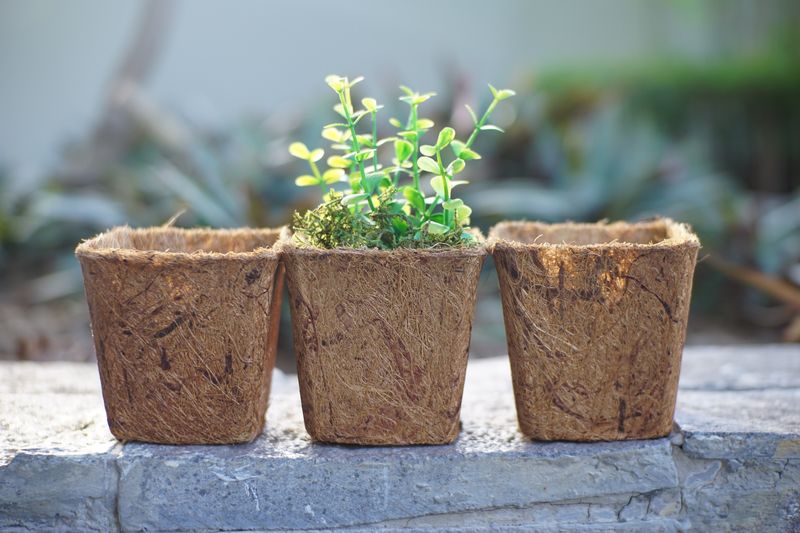
Moulded pots
Biodegradable pots moulded from coir fiber for landscaping and gardening.
Technical data sheet
The values below are the product's minimum guarantees. The actual values for each lot are measured, printed on the bale label and accessible through the QR code. To receive the full analysis report for a specific lot, contact us.
Control per lot
Every lot is analysed before dispatch. Lots with parameters outside the agreed range are held back.
Natural or washed
Supplied natural as standard. Washing with freshwater cycles available on request for applications with a contractual EC limit. EC measured on every lot either way.
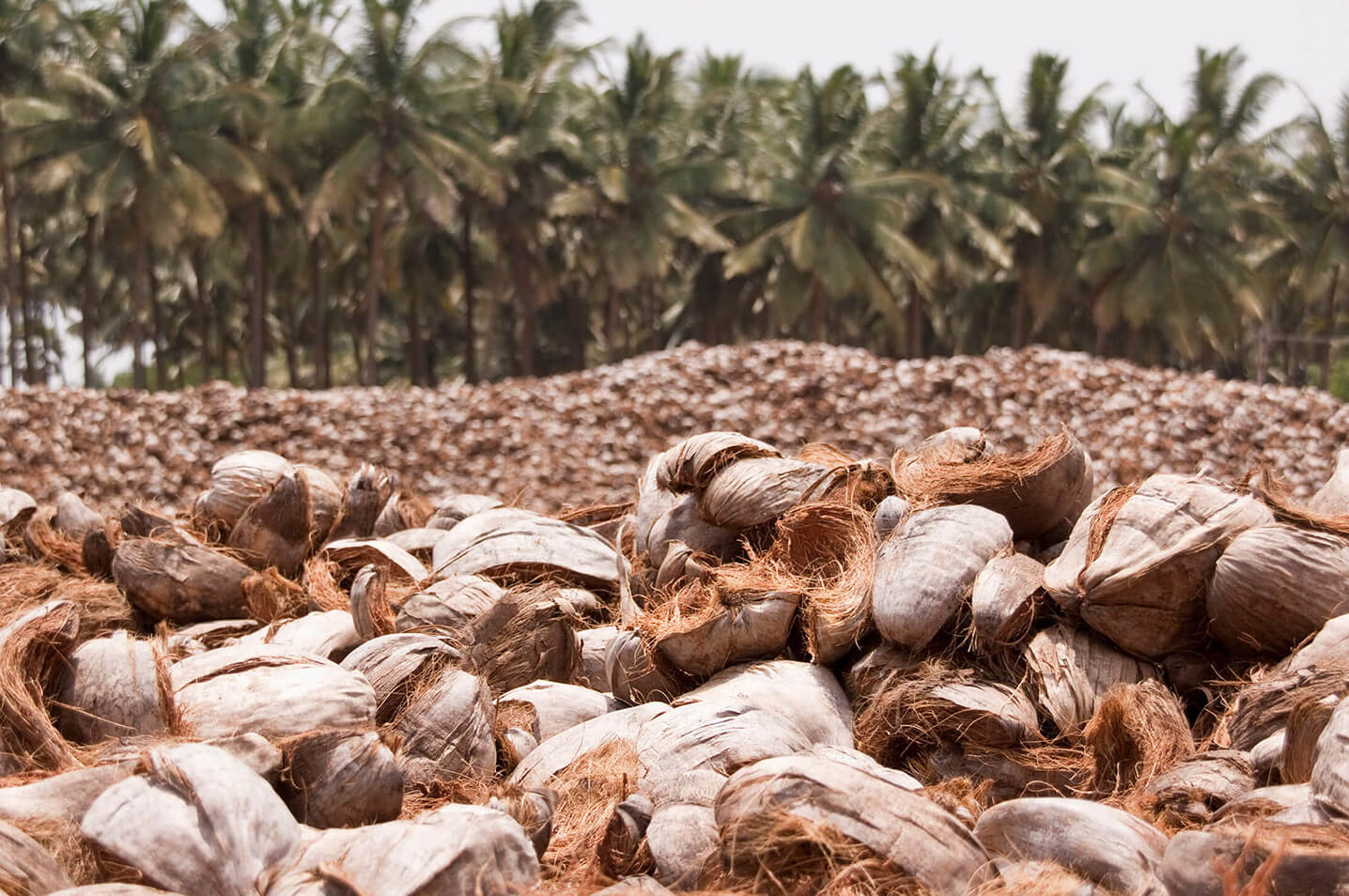
Origin: dry coconut husk, Brazil.
Mechanical separation on a rotary screen removes the pith and leaves only the structural fiber. Long bristle fiber comes out clean, free of pith contamination, uncombed. Raw material for substrates, blankets, pads, pots and geotextiles.
Delivery format
Frequently asked questions
Is coir fiber washed?
Fiber is supplied natural (unwashed, no additives) or washed, and the grade is chosen by the customer. In the washed grade, EC is reduced through freshwater washing cycles; Washed Standard runs 0.4 to 0.8 mS/cm and Washed Low 0.4 or below, with the limit fixed in the contract.
What is the fiber length and density?
Coir fiber runs 10 to 40 cm, natural length, uncut, with loose bulk density around 55 to 80 kg/m³. The actual value for each lot is reported in the lot analysis.
Is Carve's fiber combed, ready for brooms or handicrafts?
No. It is raw fiber, not combed, a raw material for industrial processes that include their own carding, needle-punching or moulding. It is not intended for broom, brush or handicraft manufacture.
Which applications is coir fiber suited for?
As a substrate: ornamentals and nurseries, structural substrates, landscaping and mulch, formulators. As an industrial raw material: geotextiles and erosion-control blankets, mattress pads, automotive composites, moulded pots. It is the fraction with the highest aeration and lowest water holding in the line.
How is coir fiber delivered?
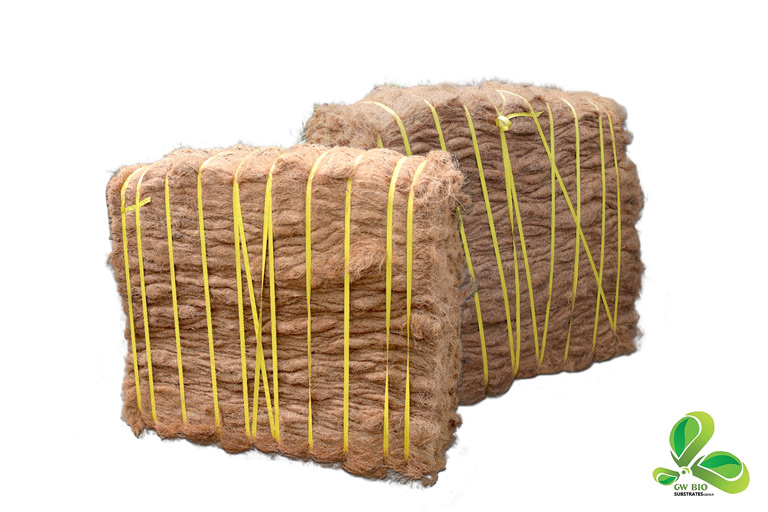
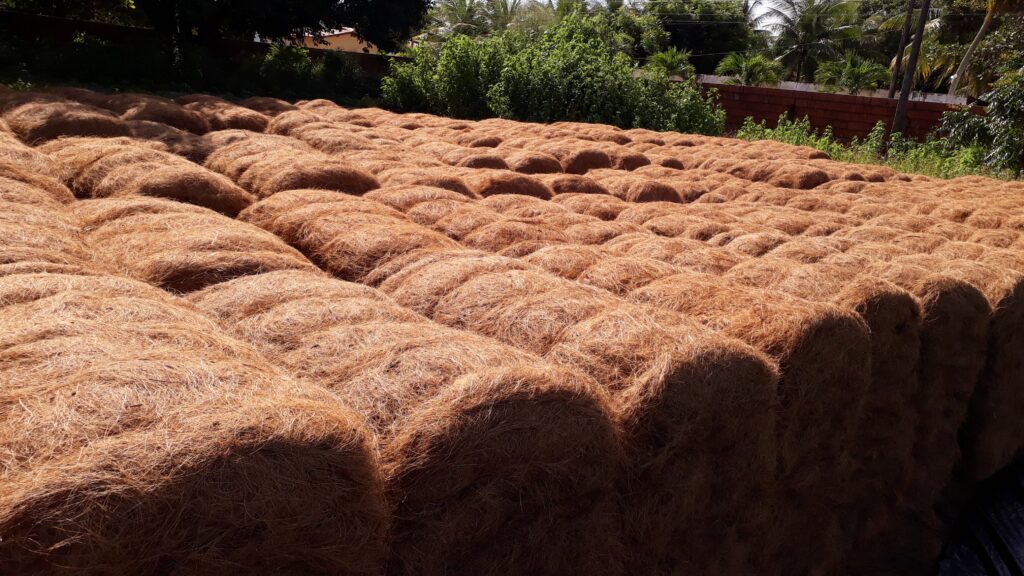
In pressed bales of loose fiber, with weight and volume on request. Minimum order, price and freight terms are defined by contract.
Sources: EMBRAPA COT-226-19 · Romero 2025 (particles <0.5 mm) · Carve QC procedure.