
Import coir from Brazil to Turkey
Washed coir pith and coir fiber from dry Brazilian husk, FOB Pecem. Counter-seasonal to India, 18–28 days to Mersin, 0% import duty.
- On this page
- Route
- Specs
- Why Brazil
- Trade terms
- FAQ
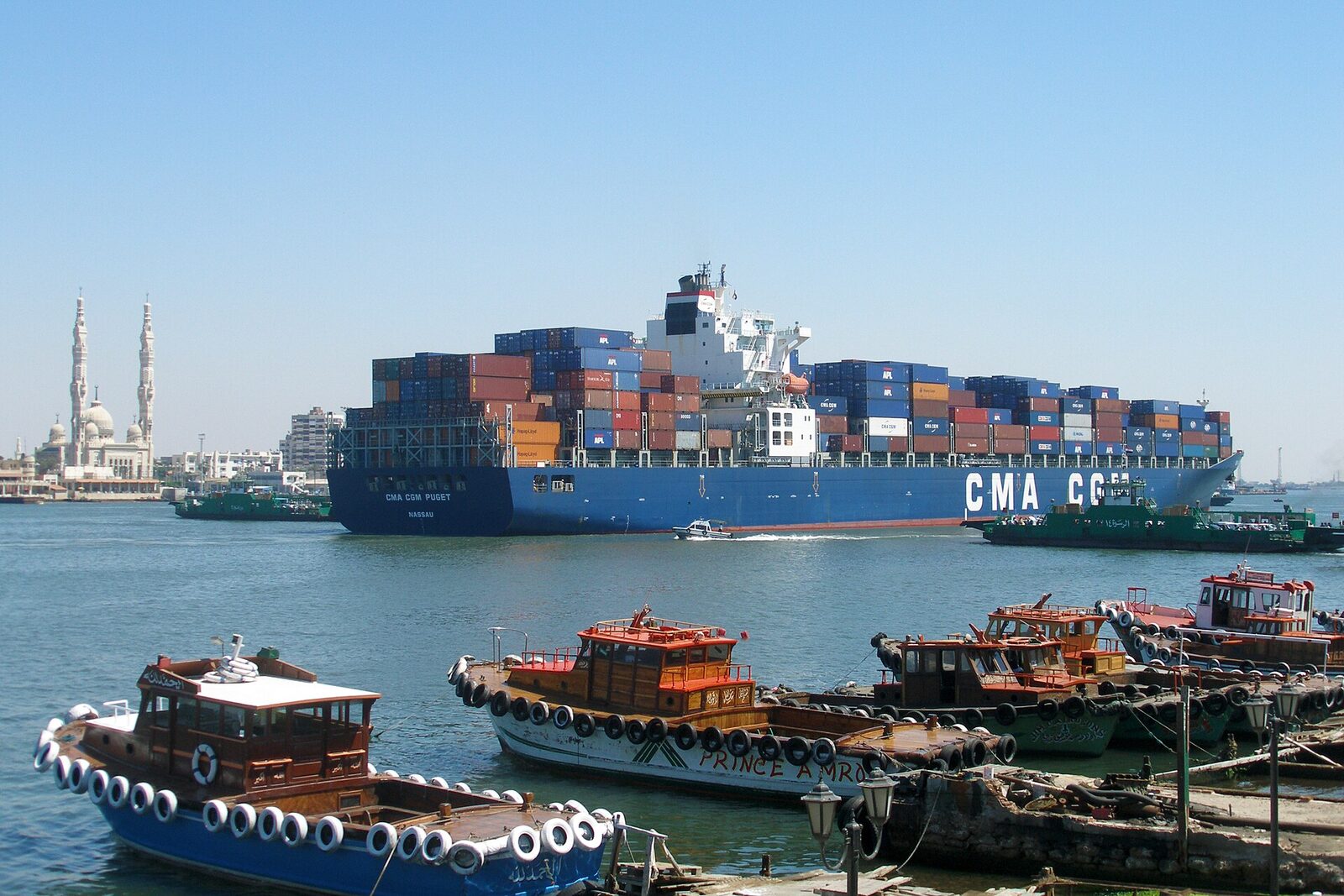
Pecem to Mersin, via the Mediterranean
The route from Brazil to Turkey is an Atlantic crossing to the Western Mediterranean, then eastward to Mersin. No Suez Canal, no Red Sea chokepoint.
What Carve ships to Turkey
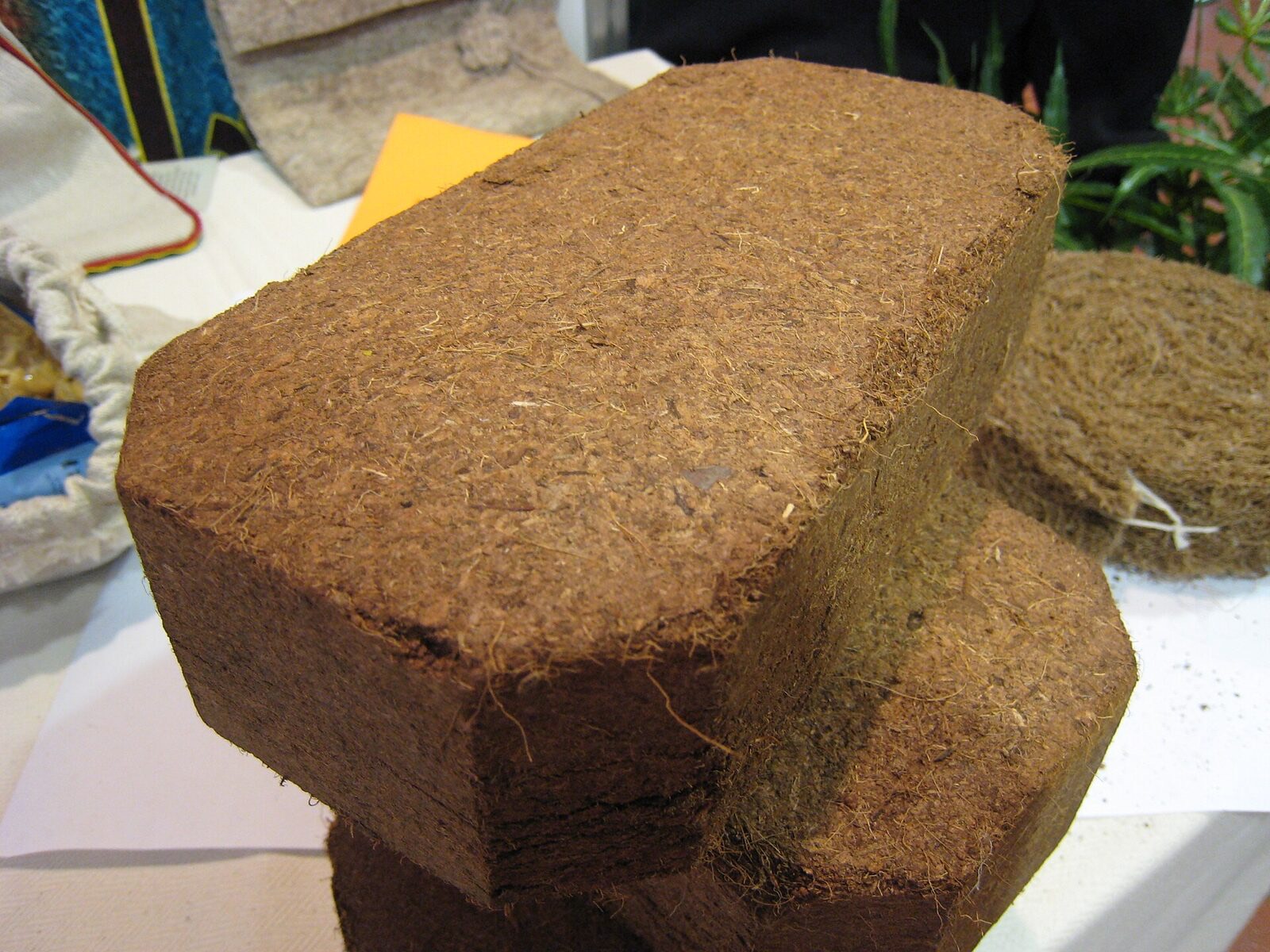
Coir pith, coir fiber and husk chips from mature dry coconut husk, mechanically processed without chemicals. Specifications agreed with each buyer, lot by lot.
| Parameter | Specification |
|---|---|
| Product | Coir pith (coco peat), coir fiber, husk chips |
| Format | Washed blocks (5 kg, 30 x 30 x 14 cm), bales, bags |
| EC (1:5) | < 0.5 mS/cm (washed) · < 0.25 mS/cm (buffered) |
| pH | 5.5–6.5 |
| Moisture | < 18% |
| Expansion | ≥ 13 L/kg (at least 65 L per 5 kg block) |
| Sand / impurities | < 2% |
| Container loading | 20–22 pallets per 40' HC, ~23 tonnes net |
| Packaging | ISPM-15 treated pallets, shrink-wrapped |
| Phytosanitary | Certificate issued by MAPA/Vigiagro at Pecem |
Advantages for Turkish importers
Brazil is a counter-seasonal, Atlantic-route alternative to traditional Asian coir supply.


Customs, documents and payment
Coir enters Turkey under GTIP 1404.90.00.99.19 with 0% customs duty. KDV (VAT) of 20% applies and is recoverable for registered businesses.
- Commercial invoice
- Packing list
- Bill of lading (B/L)
- Phytosanitary certificate issued by MAPA/Vigiagro at Pecem
- Fumigation certificate
- Certificate of origin
- ISPM-15 pallet treatment certificate
- Lot analysis report (EC, pH, moisture, expansion)
- Incoterms: FOB Port of Pecem, Ceara, Brazil
- CFR or CIF available on request through our freight forwarder
- Payment: advance with balance against B/L copy
- Established buyers: documents against payment (D/P) through banks
- Larger recurring contracts: letter of credit
- GTIP: 1404.90.00.99.19
- Customs duty: 0%
- KDV (VAT): 20% (recoverable for businesses)
The importer's customs broker should confirm the tariff classification for each shipment. Tariff data as of September 2026.
Questions Turkish importers ask before a first order
What is the transit time from Brazil to Turkey?
18 to 28 days from the Port of Pecem to Mersin, via Mediterranean transshipment at Algeciras, Valencia or Gioia Tauro. The route is an Atlantic–Mediterranean crossing and does not pass through the Suez Canal or the Red Sea.
Is there import duty on coir entering Turkey?
Coir pith is classified under GTIP 1404.90.00.99.19 with 0% customs duty. KDV (VAT) of 20% applies and is recoverable for registered businesses. The importer's customs broker should confirm the classification for each shipment.
What EC levels are available?
Washed coir pith: EC below 0.5 mS/cm (1:5 extract). Buffered coir pith, treated with calcium and magnesium after washing: EC below 0.25 mS/cm. The raw material is dry inland husk that was never retted in brackish water, so it starts at a lower salt level than most Asian coir.
Why is Brazilian coir less salty than Indian coir?
In many Asian producing regions, the husk is retted (soaked) in brackish lagoons before fiber is extracted, which raises sodium and chloride levels in the pith. Brazilian husk is dried in the sun and processed mechanically without retting. The result is a lower baseline salt content and fewer wash cycles needed to reach low EC.
Can we receive a sample before ordering?
Yes. Samples are sent with the lot analysis report and photographs of the hydrated block. Independent inspection at stuffing can be arranged at Pecem.
Which products are available?
Coir pith (coco peat) in washed 5 kg blocks, coir fiber in bales, and coir mix (pith and fiber blend in a ratio defined with the buyer). Husk chips are available for inquiry.
What are the payment terms for a first container?
Terms are agreed per order. The standard structure for a first order is an advance with the balance against the bill of lading copy. Documents against payment (D/P) for established relationships, or letter of credit for larger recurring contracts.
OTHER DESTINATIONS
Read the full Turkey coir market analysis.
Request a quote for Turkey
Send the product, grade, format, monthly volume and destination port. We reply with the specification sheet, an example lot report and the FOB Pecem offer within two working days.
See also: Turkey coir market intelligence