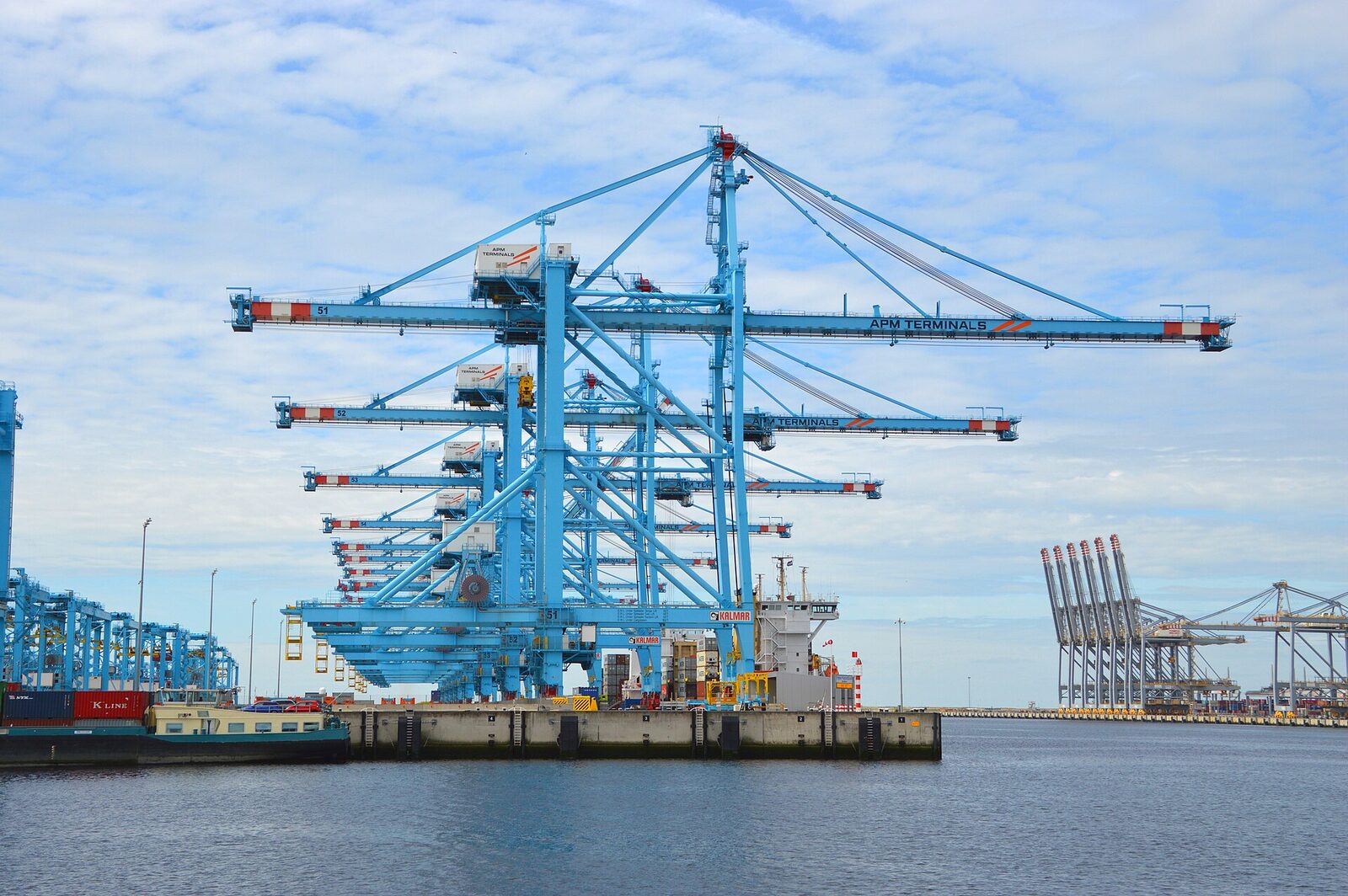
Import coir from Brazil to Europe.
Carve supplies washed and buffered coir pith, coir fiber and husk chips from Brazilian dry coconut husk. FOB Pecem, Ceara. Rotterdam in 14 to 18 days via Atlantic route. No Suez Canal exposure. Specification, phytosanitary documents and FOB terms agreed per lot.
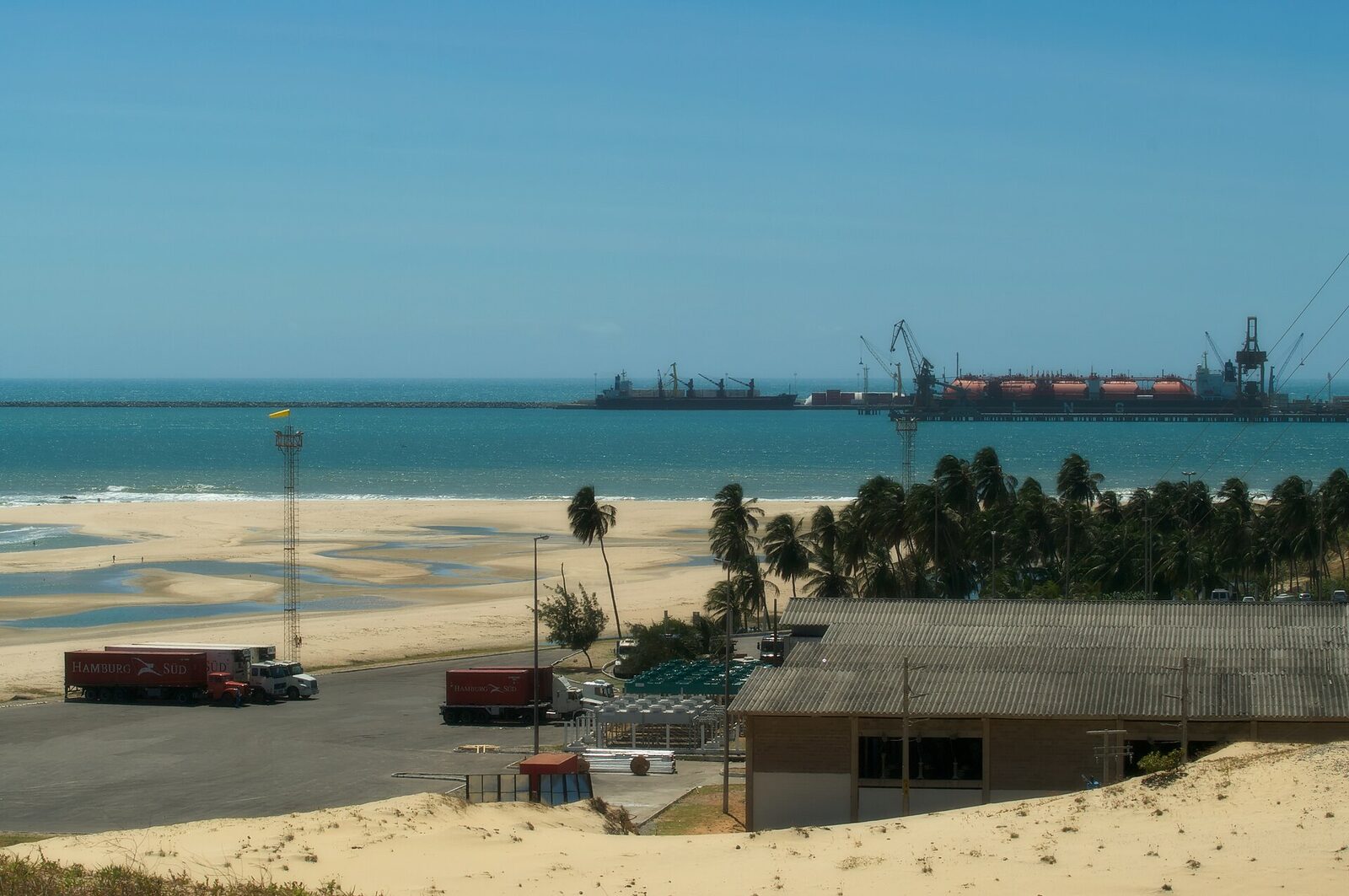
The Port of Pecem in Ceara, Brazil, is 90 km from Carve's processing site in Paraipaba. The Atlantic route from Northeast Brazil to European ports avoids the Suez Canal entirely. Hapag-Lloyd, MSC and CMA CGM operate regular container service from Pecem to Rotterdam, Valencia and Algeciras.[1]
All products are made from dry coconut husk (not retted). Three grades: Natural, Washed and Buffered. Specification is agreed with each buyer, lot by lot. EC reports per lot. RHP certification path in progress.
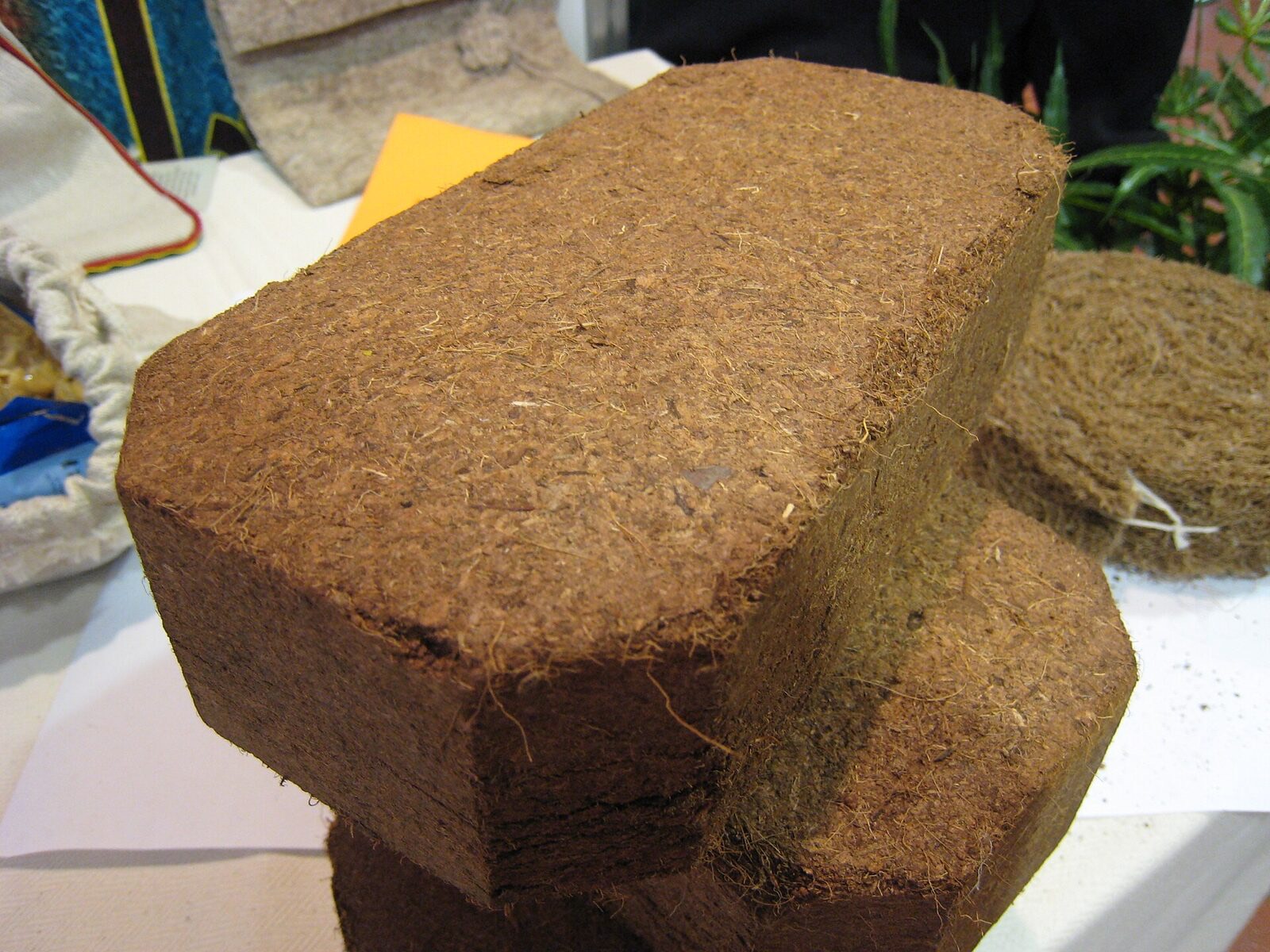
Fine-particle substrate for greenhouse vegetable production, soft fruit, nursery propagation and retail potting soil blends. Compressed 5 kg blocks expand to approximately 70 to 75 liters.
- Grades Natural · Washed · Buffered
- EC (Washed, 1:5) < 1.0 mS/cm
- EC (Buffered, 1:5) < 0.5 mS/cm
- pH 5.5–6.5
- Compression ratio 5:1 to 7:1
- Block weight 5 kg
- Pallet ~190 blocks / pallet
- Packaging Shrink-wrap, palletized
Custom pith-to-chip blends tailored to crop requirements. Ratios from 70:30 to 30:70 pith:chip. Used in tomato, pepper, cucumber and strawberry grow bag systems across European greenhouses.
- Pith:chip ratios 70:30 to 30:70
- Grades Natural · Washed · Buffered
- EC (Buffered, 1:5) < 0.5 mS/cm
- pH 5.5–6.5
- Format Blocks · Grow bags · Slabs
- Applications Vegetables, berries, cannabis

Long fiber extracted from dry coconut husk. Used in erosion control blankets, geotextiles, mattress manufacturing, container mulch, substrate structure and industrial applications.
- Fiber length 10–30 cm (typical)
- Grades Natural · Washed
- Moisture < 20 %
- Packaging Compressed bales
- Bale weight 25–30 kg
- Applications Erosion control, mattresses, substrates
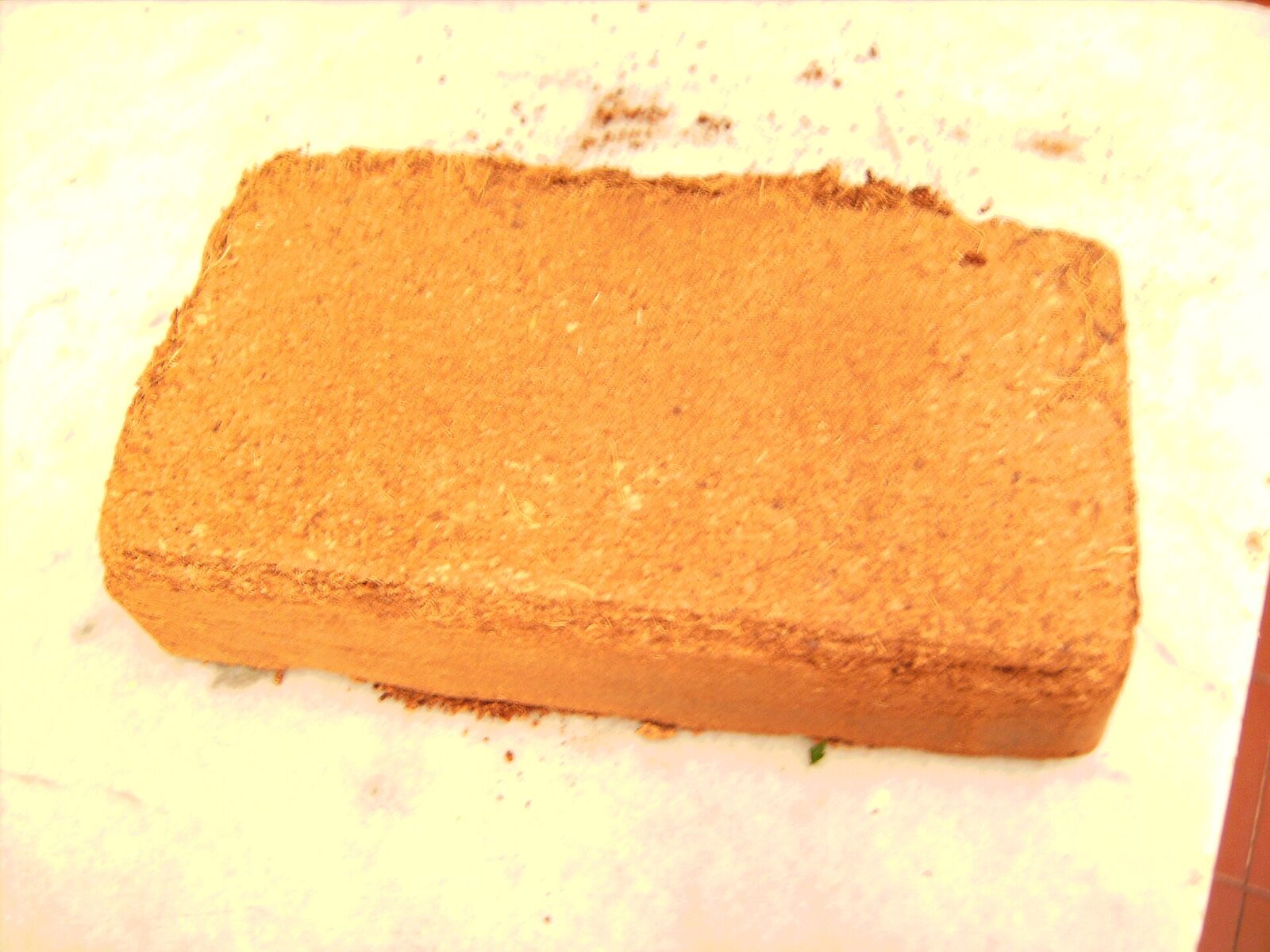
Cut coconut husk pieces used as drainage component in substrate blends, orchid growing media and container nursery production. Available in multiple size grades.
- Chip size 6–18 mm (standard)
- Grades Natural · Washed
- EC (Washed) < 1.0 mS/cm
- pH 5.5–6.5
- Packaging Compressed blocks · Bales
- Applications Orchids, drainage, substrate blends
Full specifications and EC data are on the coir pith, coir mix, coir fiber and husk chips pages. Custom blends (pith:chip ratios) are available on request.
The Netherlands imports approximately 80,000 tonnes of cocopeat per year. Spain imports over 70,000 tonnes. The EU peat phase-out and the 2025 Baltic peat shortage are accelerating demand for coir across the continent.
The import process for dried, processed coconut coir from Brazil to the EU is straightforward. Below is the typical workflow.
1. Inquiry and specification. Contact Carve with the product (coir pith, mix, fiber or chips), grade (Natural, Washed or Buffered), target EC, volume and delivery port. We respond with a technical data sheet, EC test reports and FOB pricing.
2. Sample and approval. Samples are shipped by courier. Buyers test EC, pH, expansion ratio and contamination levels. Factory visits to Paraipaba, Ceara, are welcome.
3. Purchase order and production. Specification is confirmed lot by lot. Each production lot is tested and an EC report is issued before shipping.
4. Logistics. Containers are loaded at Carve's site (90 km from Pecem) and delivered FOB Pecem. Buyer arranges ocean freight or Carve quotes CIF to the destination port. Phytosanitary certificate issued by MAPA.
5. EU customs and delivery. EU customs clearance under HS 530500 at 0 percent duty. Processed coir typically does not require a separate phytosanitary certificate at destination if sufficiently processed. ISPM 15 applies to wood packaging only.
OTHER DESTINATIONS
Back to International Buyers · Read the global coir market analysis.
- APM Terminals Pecem, shipping lines and transit times — apmterminals.com; Port of Rotterdam, Pecem partner port — portofrotterdam.com.
- Red Sea shipping crisis, 190+ attacks on shipping by October 2024 — Atlas Institute; JP Morgan — jpmorgan.com.
- FreshPlaza, vessel shortages India/Sri Lanka to Europe, rolled bookings. Industry reporting on Asia-Europe freight surcharges 2024-2025.
- Greenhouse Grower, "The Growing Media Market: Tariffs, Trends, and What Lies Ahead" — greenhousegrower.com.
- EU Regulation 2016/2031 (Plant Health); EU combined customs tariff, HS 530500 at 0% duty for coir fibre and pith.
Request a quote or a sample
Tell us the product, grade, volume and destination port. We respond with a technical data sheet, EC report and FOB pricing within one business day.